


Our Story
How We Make It
Where the work needs hands,
we use our hands
Here is how our tofu and jang are made. The photos were taken in our facility and at our education farm.
Tofu
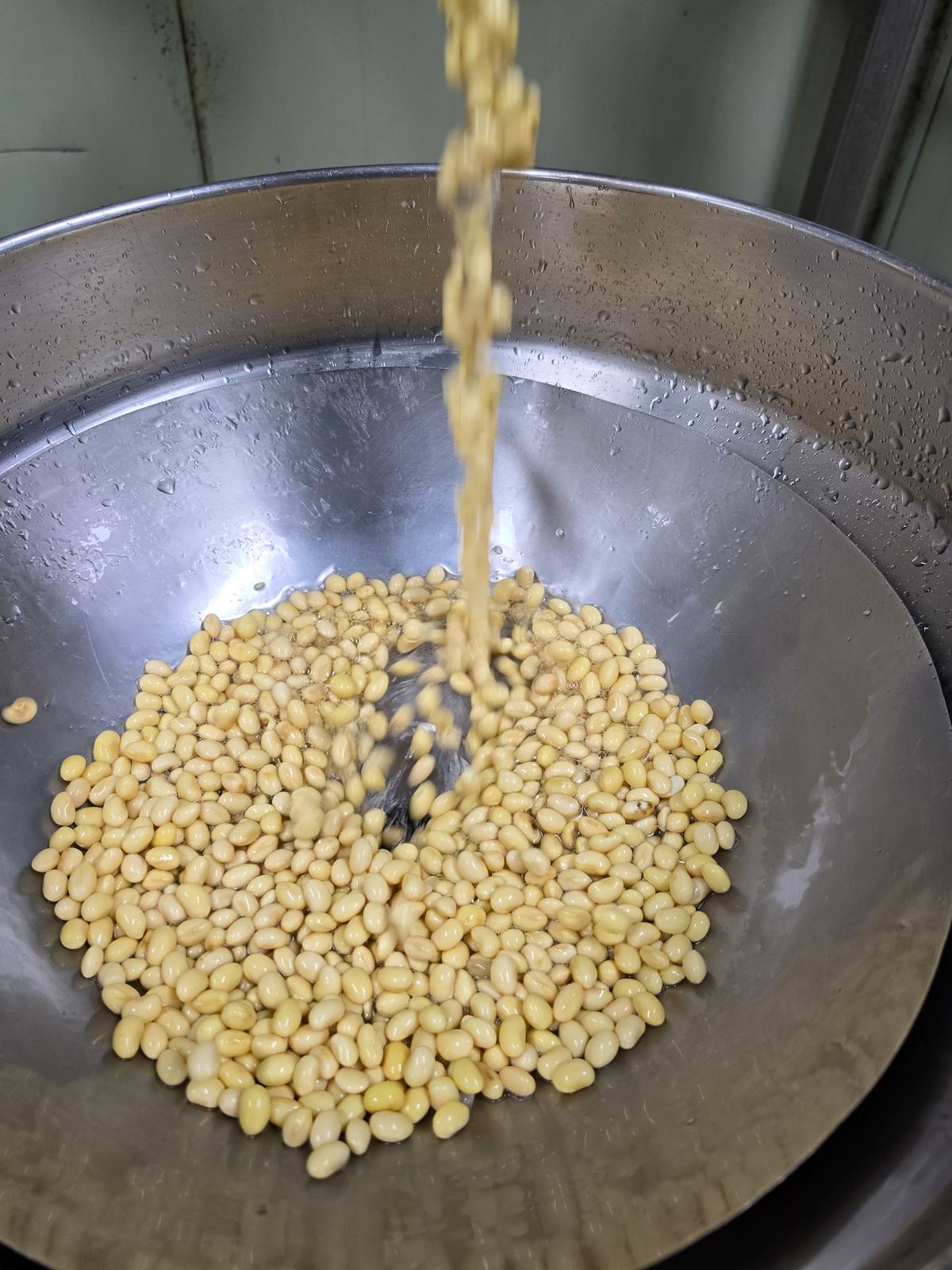
Grind beans soaked overnight
Tofu production starts at 4:30 a.m. Korean soybeans, washed and soaked overnight, are finely ground.
Separate the okara, boil the soy milk
The okara (soybean pulp) is separated and only the soy milk is strained off and boiled. Livestock farmers collect the leftover okara every day to use as feed.
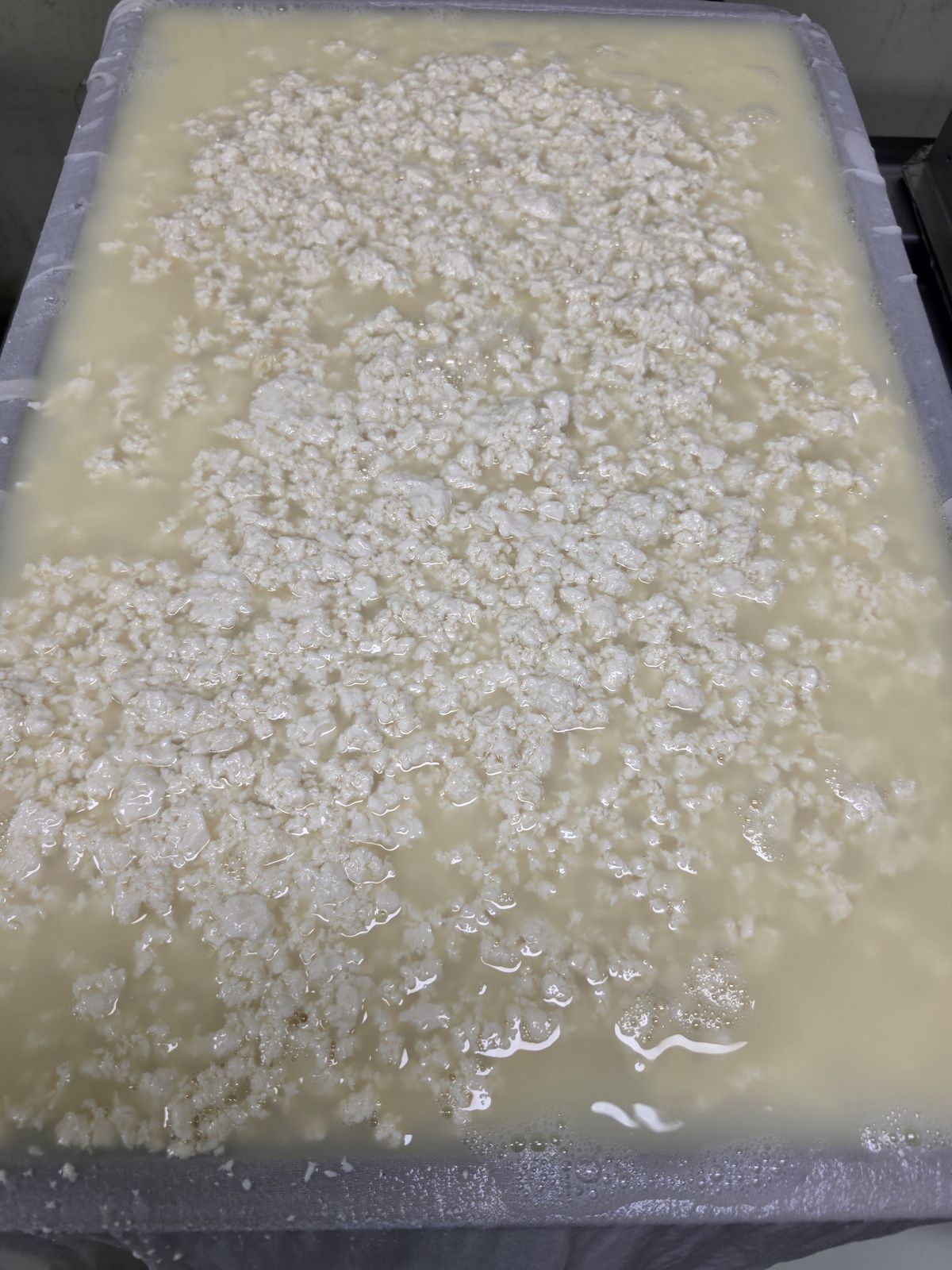
Curdle slowly with bittern
Bittern (a coagulant) is added directly to the hot soy milk and the curds form slowly. It is a semi-automatic process, close to traditional hand-made tofu.
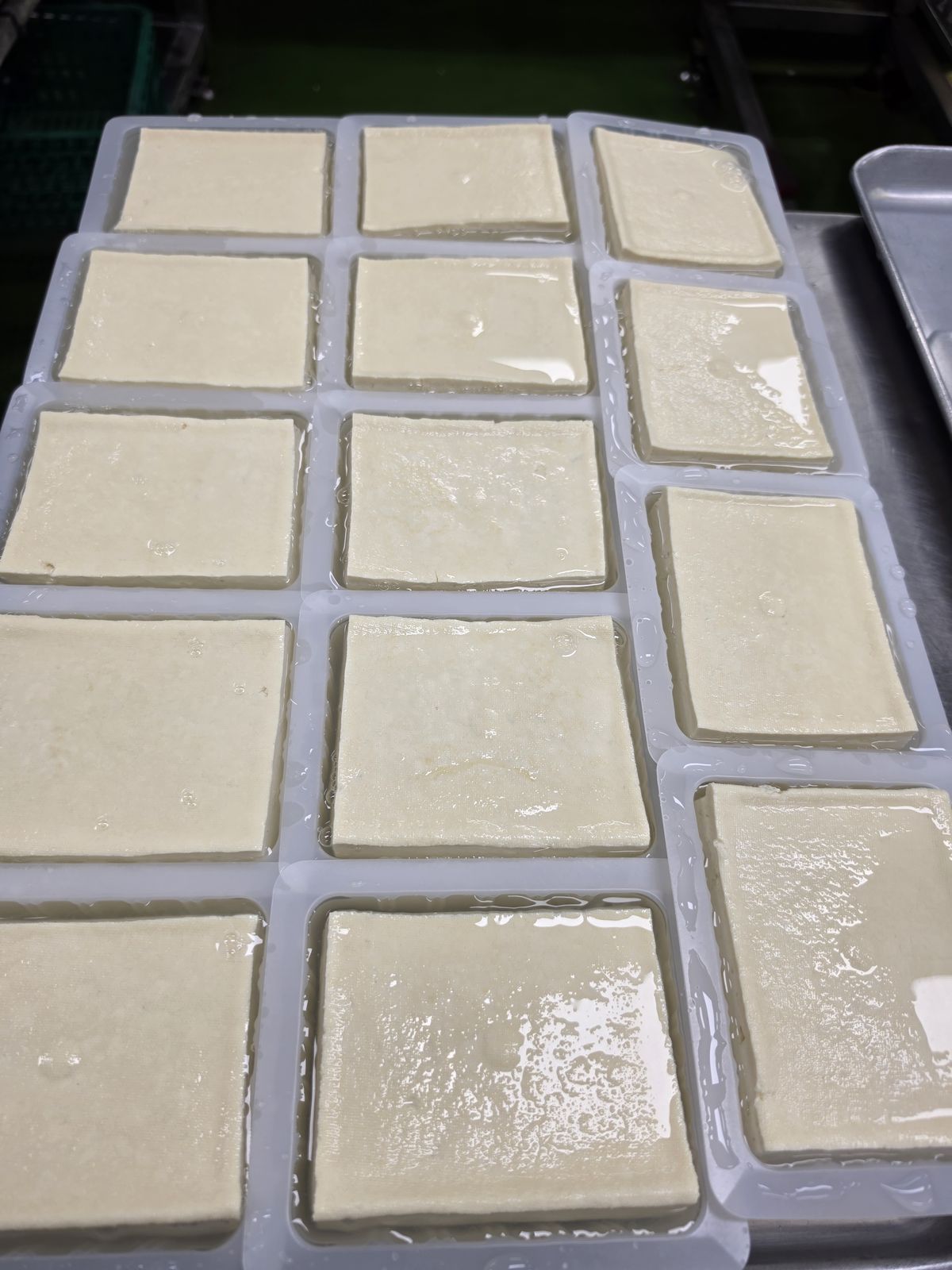
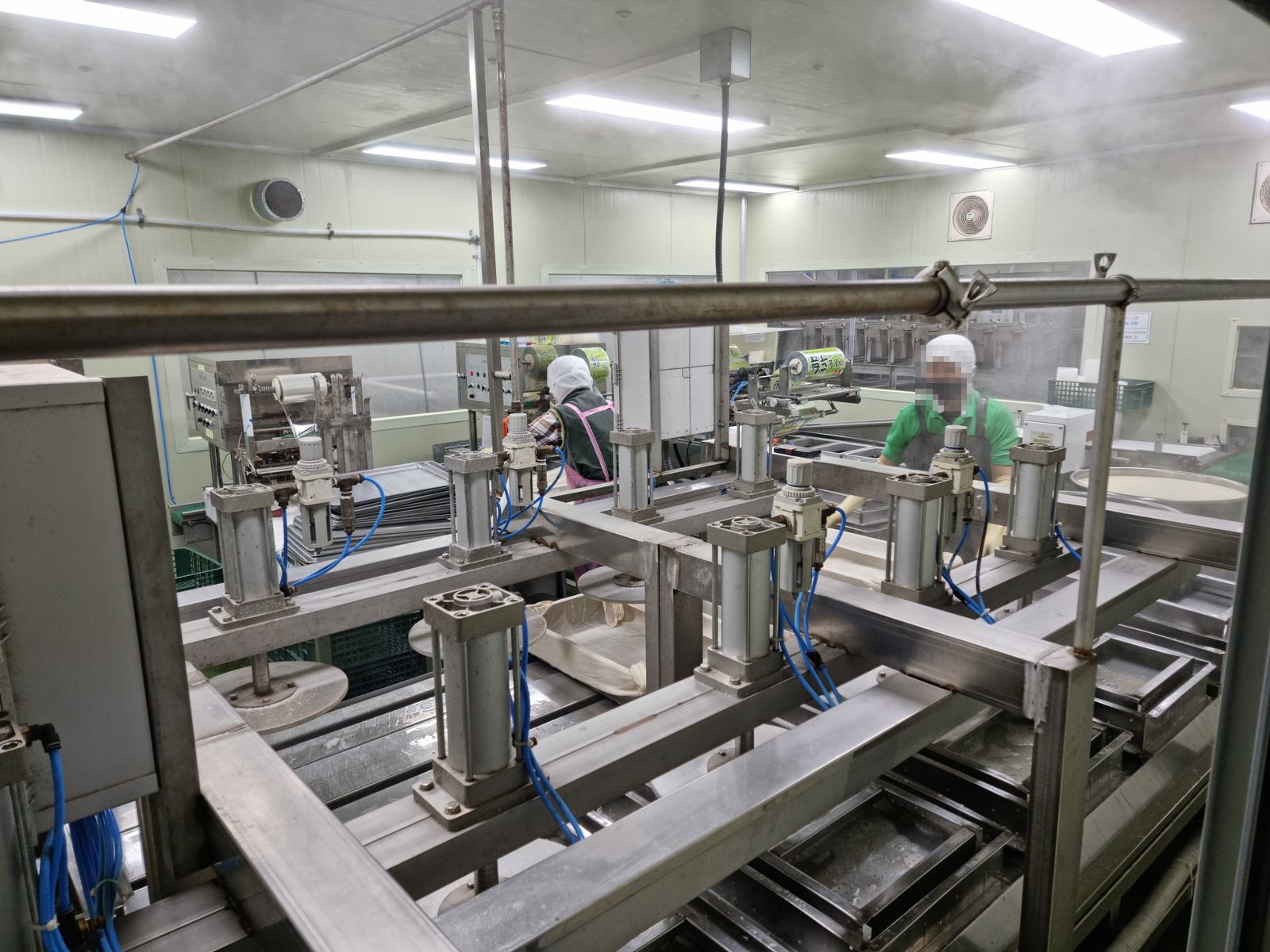
Press, cut and pack
The curds are pressed in moulds, cut into blocks and packed individually. Packed tofu passes metal detection and pasteurization (the HACCP critical control points) and ships the same day.
Jang (fermented soybean pastes and sauce)
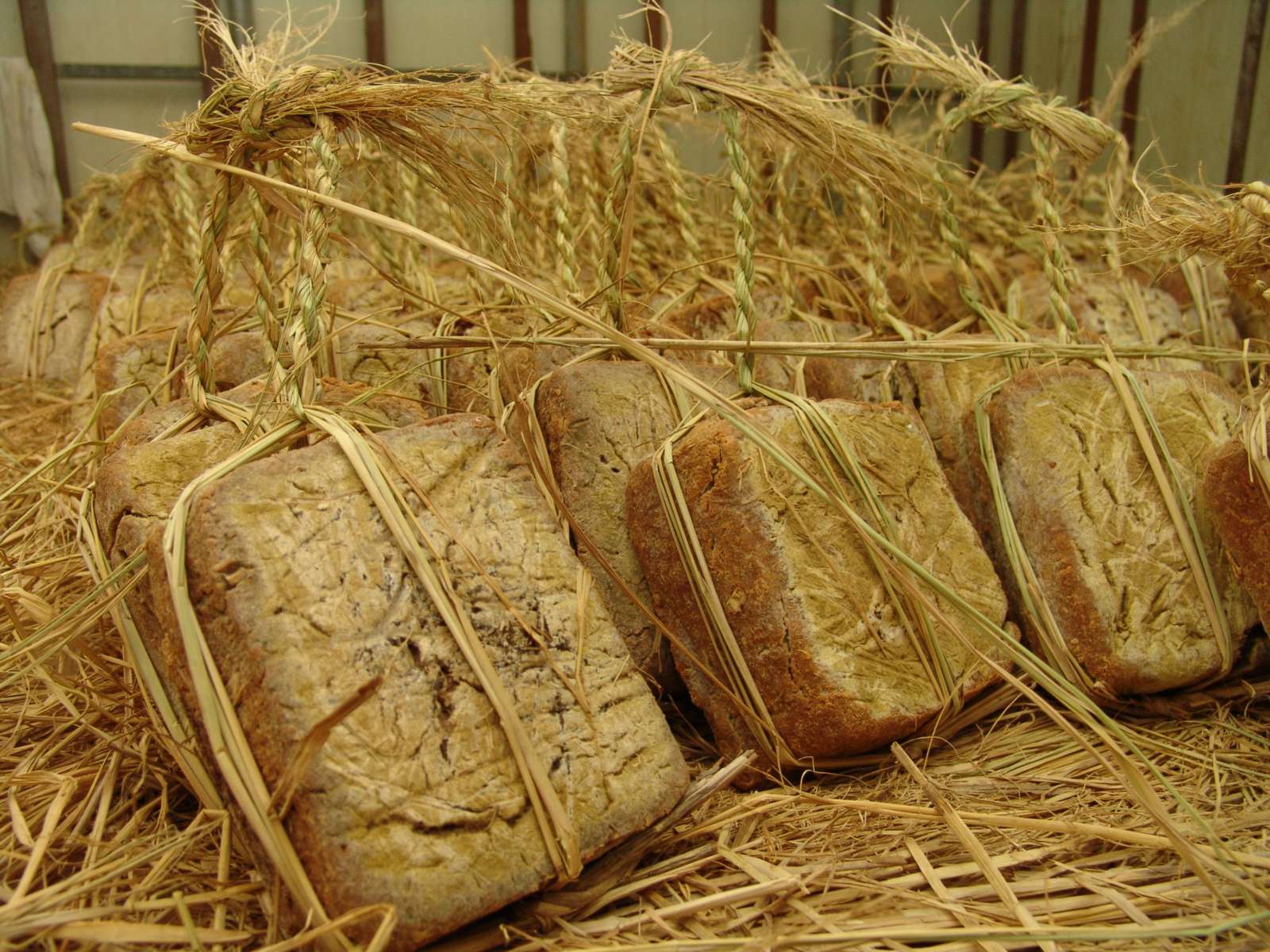
Shape and dry meju in winter
In December, cooked soybeans are pounded in a mortar and shaped into meju blocks, which are dried in a red-clay (hwangto) drying room. Cold, dry winter air helps keep unwanted microbes down.
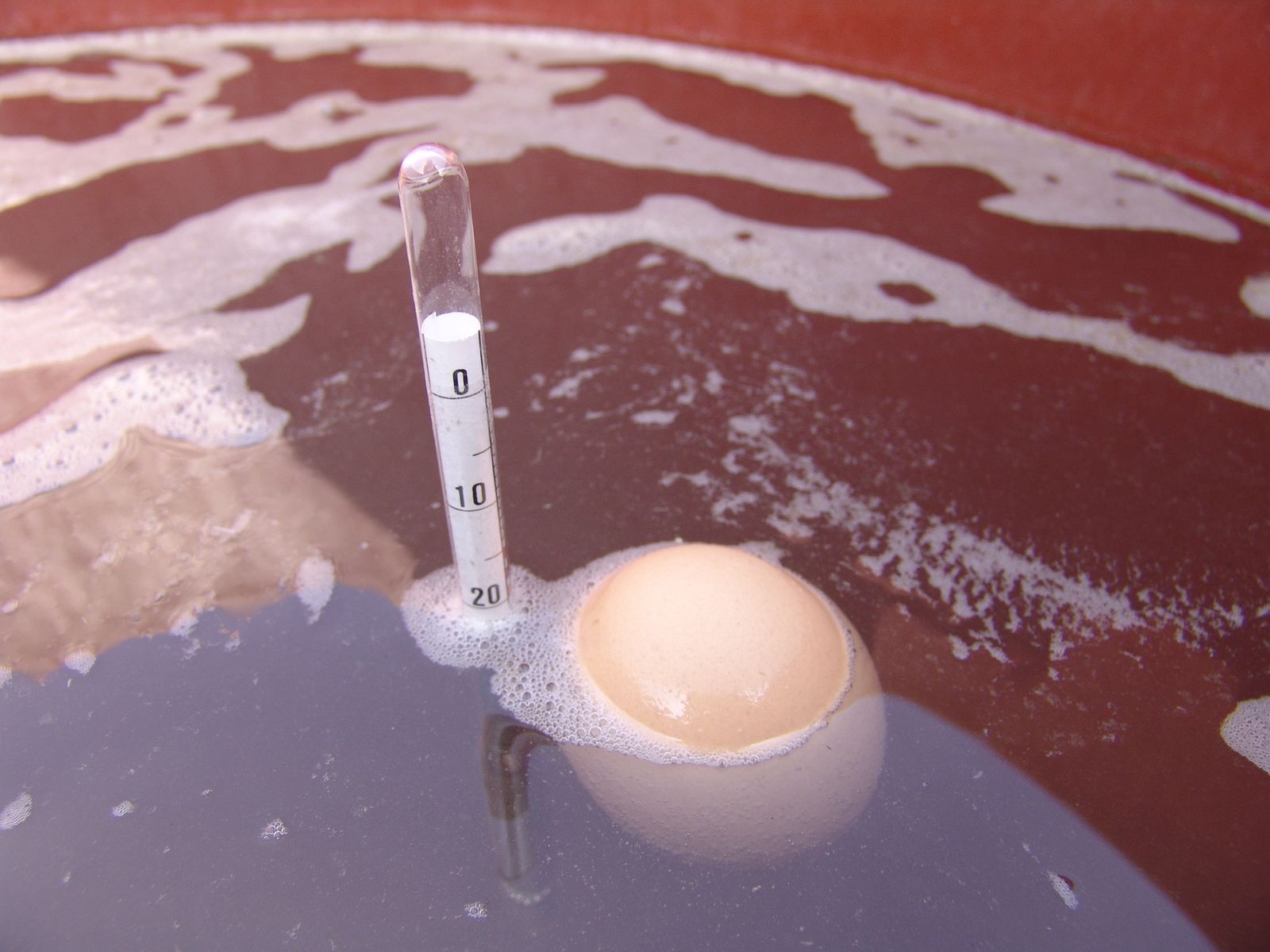
Steep the meju in the first lunar month
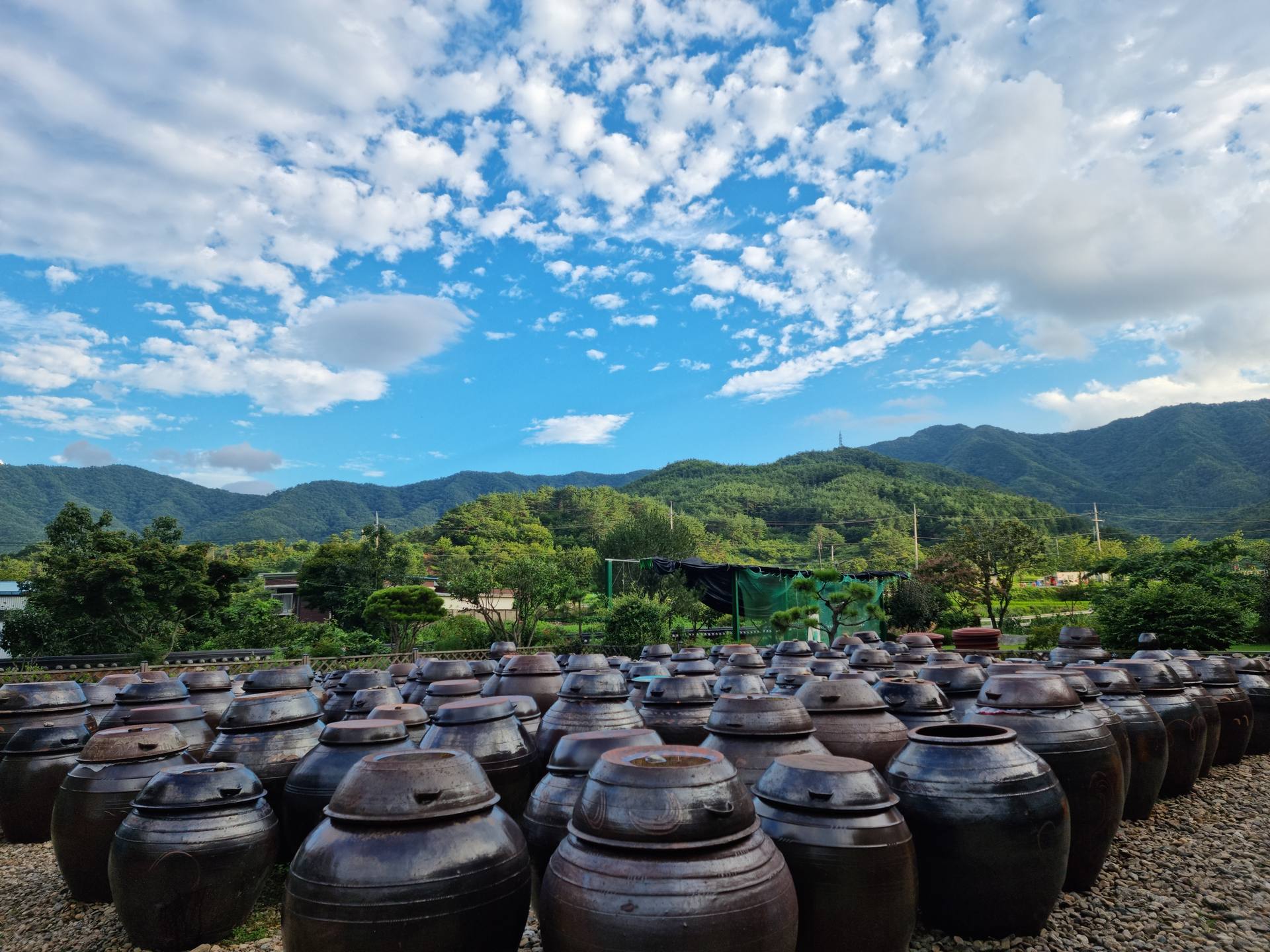
In the first month of the lunar year, brine is prepared and the washed meju is placed in onggi jars to steep.
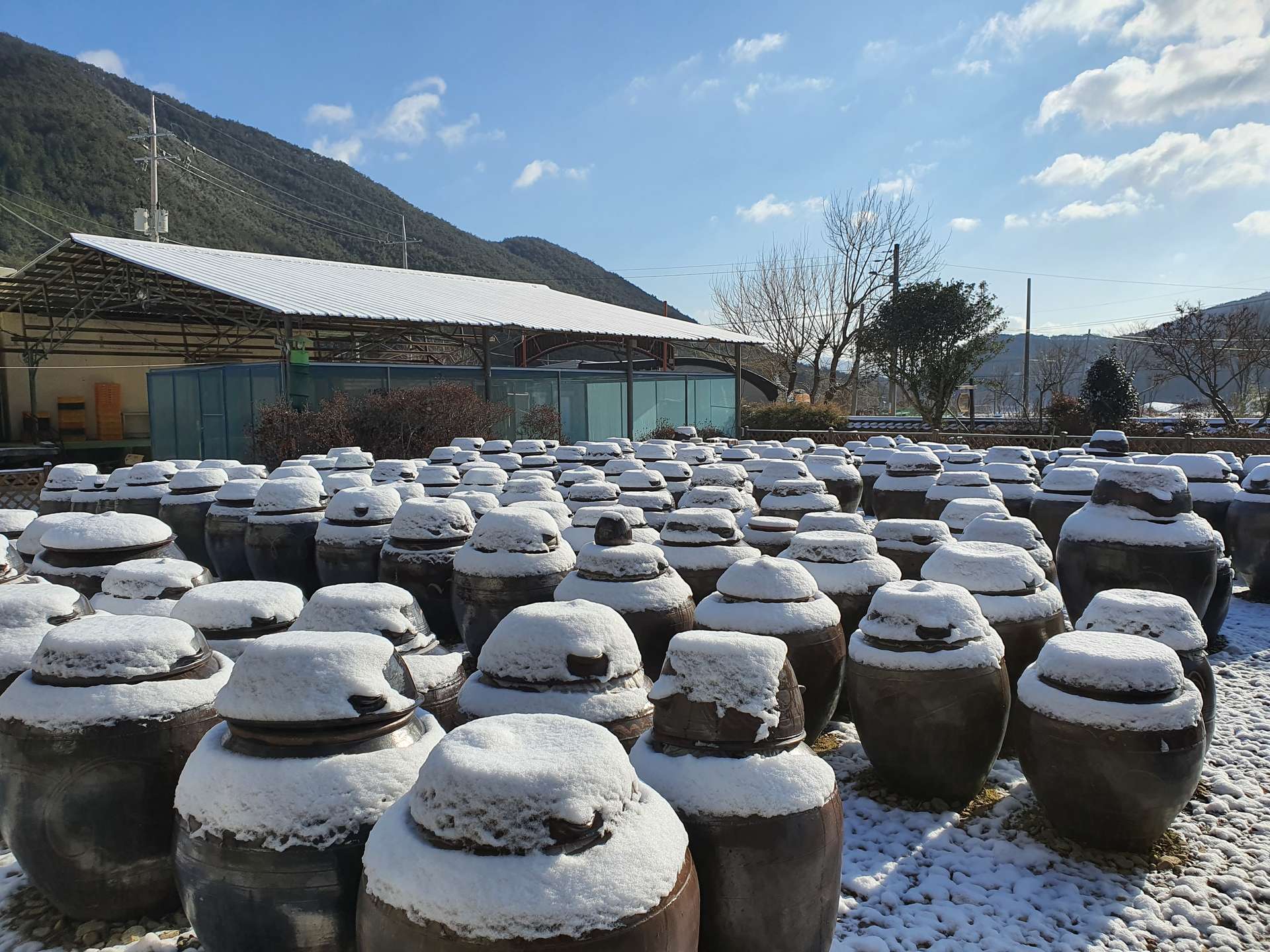
Separate, then age for at least a year
The jang is separated into doenjang (paste) and ganjang (soy sauce); the soy sauce is strained so only the clear liquid is kept. In the onggi jars it then matures through spring, summer, autumn and winter, for at least one year.
On video (in Korean)
Questions about how our products are made? Please send us an inquiry.