

Our Story
Korean Soybeans
Good ingredients
make good food
Tofu, doenjang and cheonggukjang all come down to the soybean. So we start with which beans we use and how we handle them.
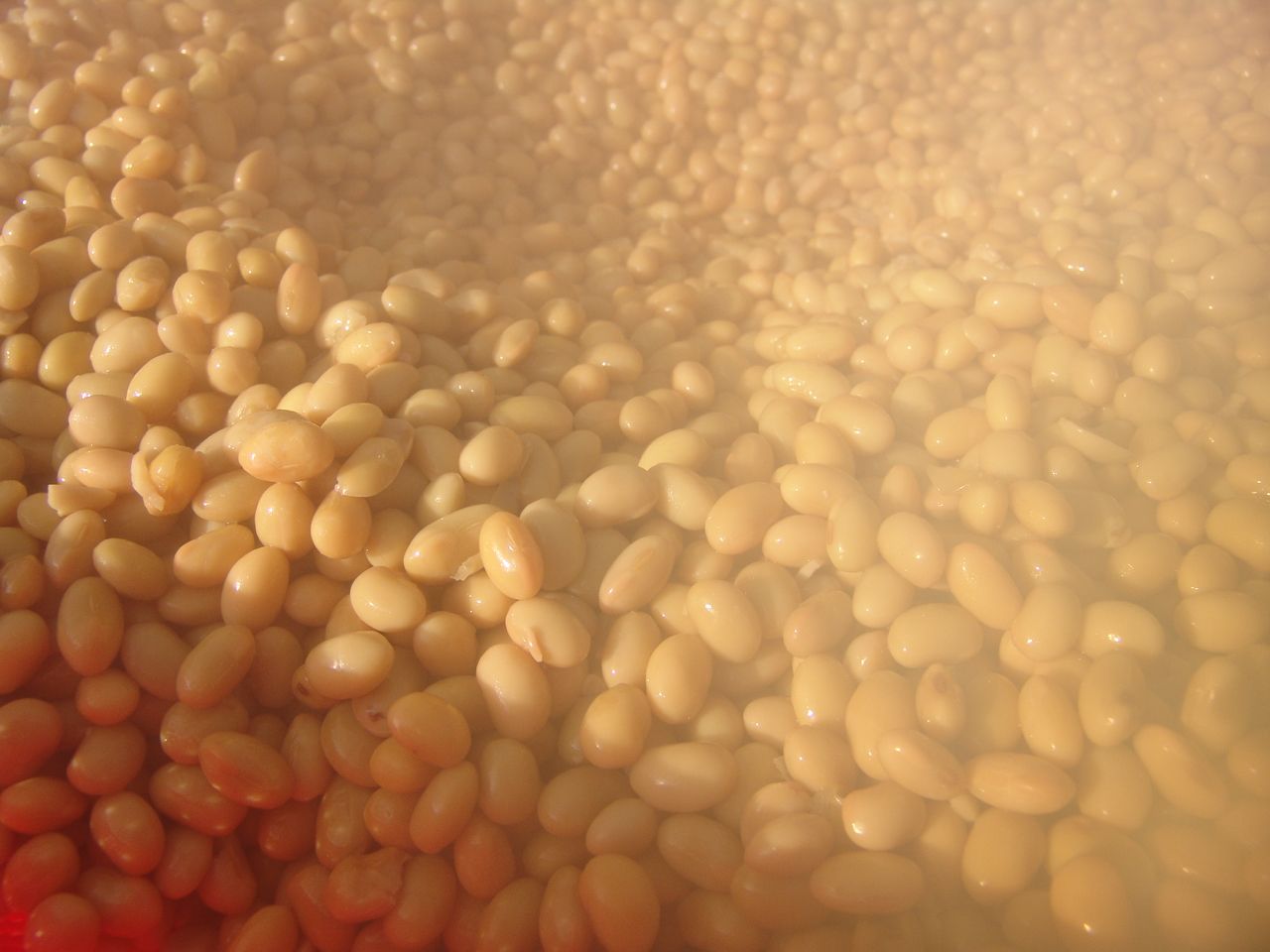
Korean soybeans only, no imported beans
Since 2005 we have worked with Suncheon Nonghyup, the local agricultural cooperative. The cooperative buys soybeans grown under contract by local farmers, and we process them into tofu, jang and cheonggukjang. Suncheon-grown beans come first; when supply is short we use Korean beans bought by neighbouring cooperatives. We do not use imported soybeans.
"Our sincere commitment to using 100% Korean soybeans will never change." — Cho Chun-sik, CEO
Country of origin is stated on each product page and on the packaging.
Four principles for making jang
Good soybeans
Meju is made from Korean soybeans bought through contract farming with Suncheon Nonghyup.
Good water
We use bedrock groundwater for our jang.
Good salt
Sun-dried sea salt from Bigeum Island in Sinan, drained of bittern for three years or more.
Time
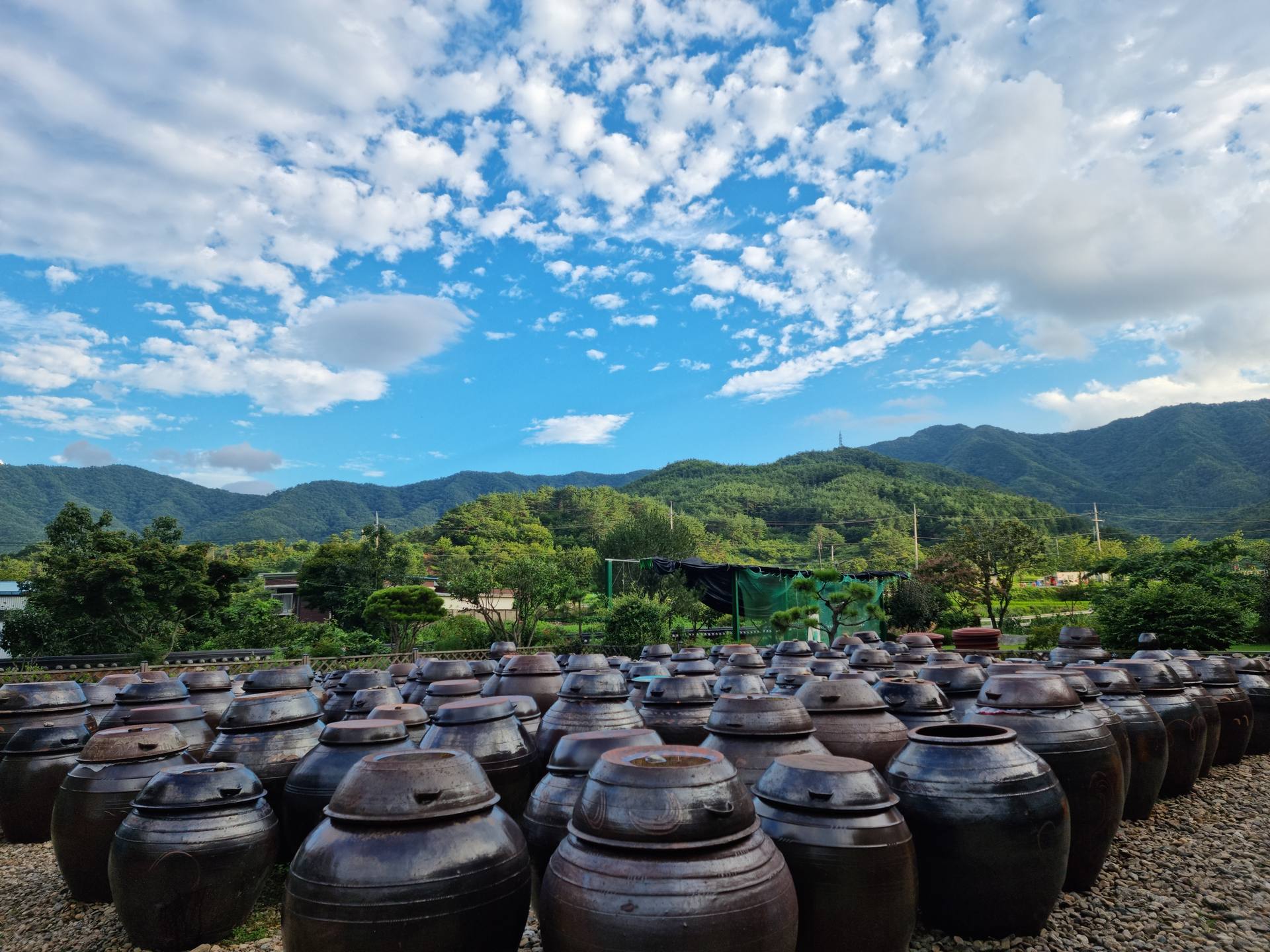
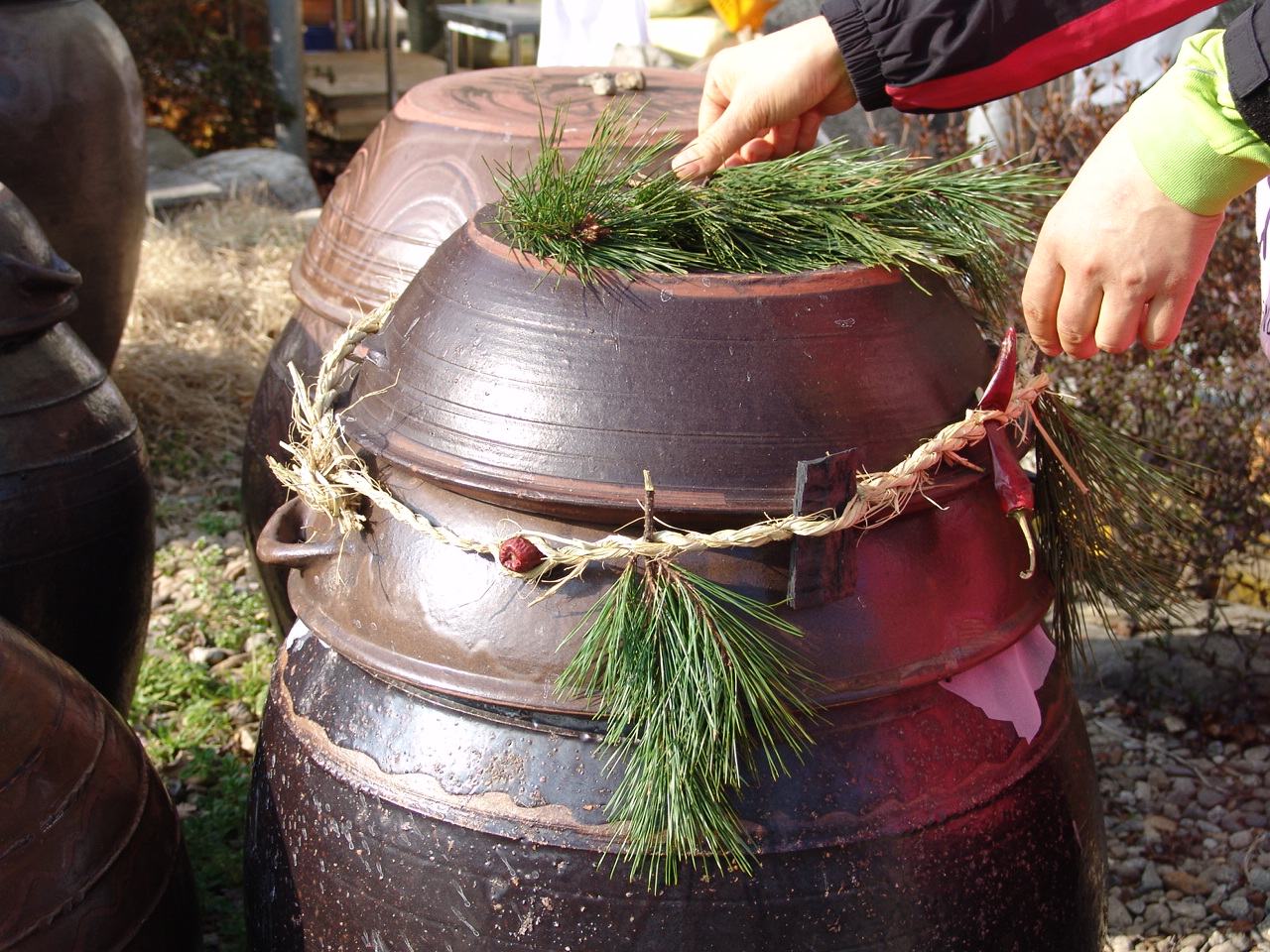
Jang is aged in onggi earthenware jars through all four seasons, for at least one year.
Certified in Korea
Our tofu and rice cakes are made in HACCP-certified facilities. Our glutinous rice flour, rice cakes and organic cheonggukjang hold Korea's Organic Processed Food certification. Our soybean sprouts are grown in-house and certified pesticide-free.